
Bait Profile - Warmouth
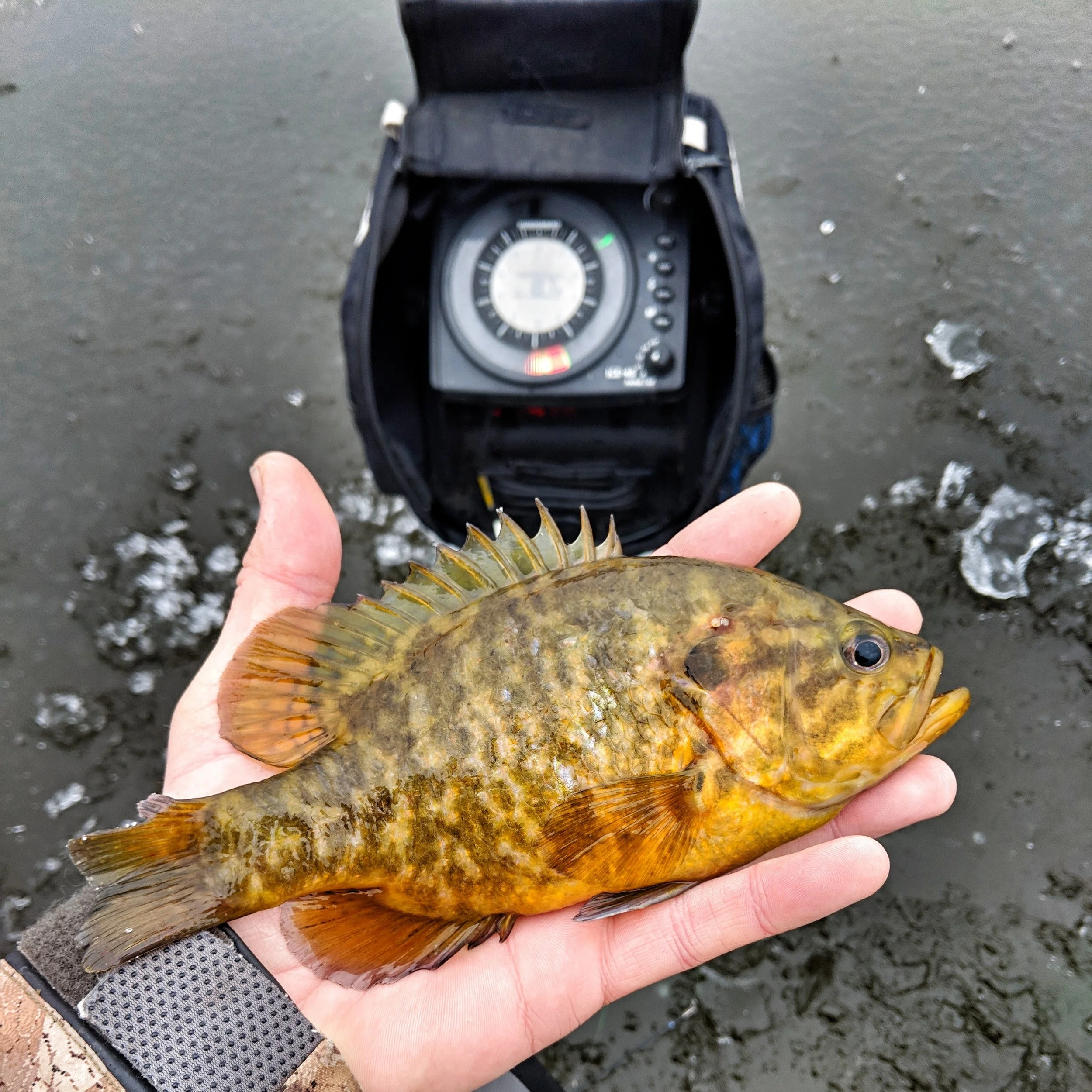
The warmouth (lepomis gulosus) is a fish that flies under the radar here in Michigan. We are on the more northern edge of the warmouth’s range according to this map from USGS. Unless you fish certain types of fisheries here it’s likely you have never even encountered one. One of the reasons why every fishing page that has a post of an unidentified fish gets 10 sarcastic answers of “warmouth”.
I still remember the first one that I ever caught. It was on the Portage Chain in Pinckney, Michigan. Specifically on Little Portage Lake, which also happens to have favorable habitat for this species. Like many of the other warmouths I have caught it was while bass fishing on a bass size bait. They have really big mouths for their size and will bite a wide variety of baits.
In recent years most of my encounters have been on bayou’s off the Grand River. If you are looking for your first ever warmouth, Bruce’s Bayou is a great place to start. We’ve actually caught numbers of them on ice fishing trips there. Small tungsten jigs tipped with spikes were the bait of choice there and they were mixed right in with the bluegills.
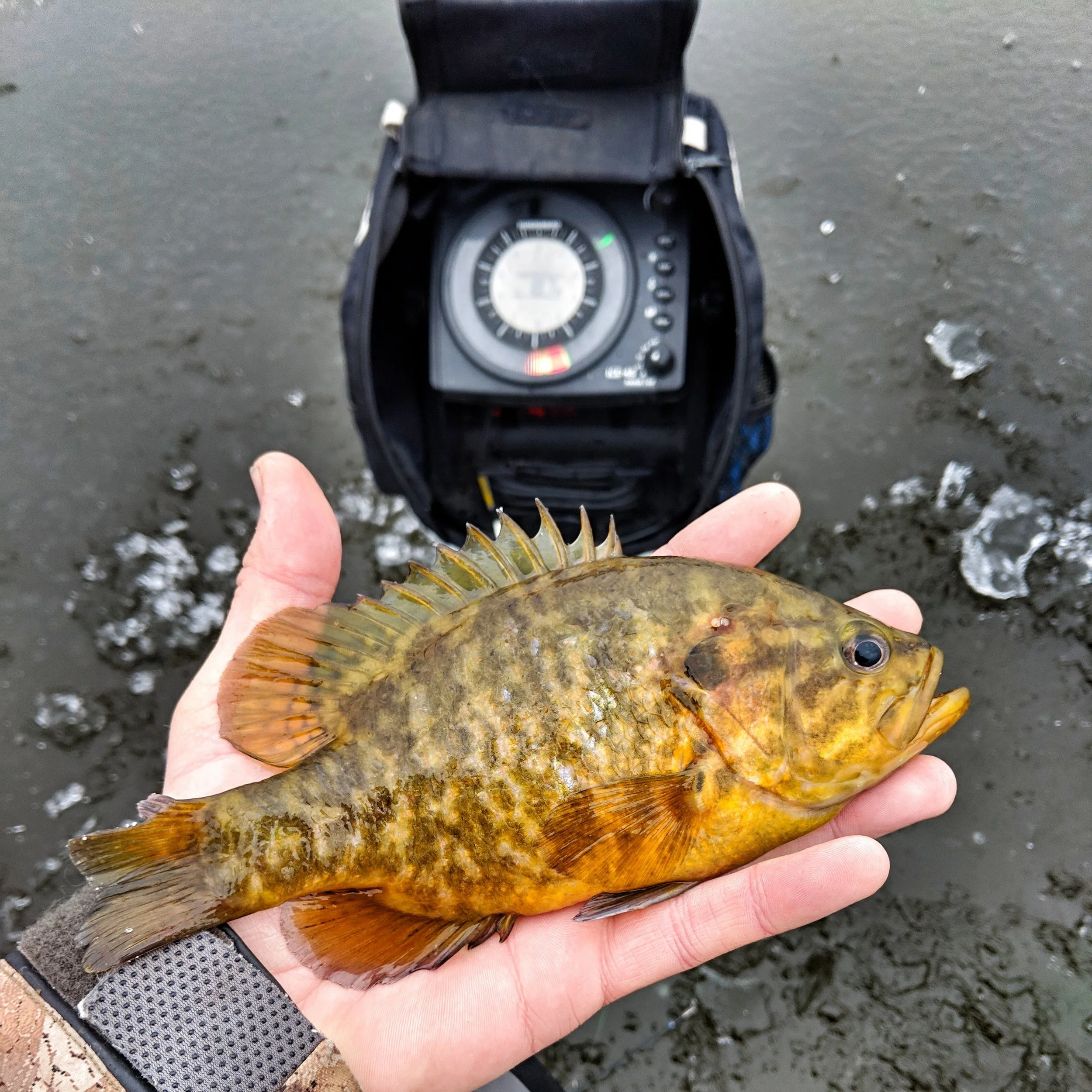
One thing I’ve seen with every warmouth encounter is weeds, they love them. These fish are highly adaptable and have a reputation for being able to tolerate places with poor water quality and low oxygen levels. In my experience a big one is over 10 inches with the Michigan state record being 11 inches and 1.38 pounds from Great Bear Lake in Van Buren county (2001). Although I suspect that record has been broken many times with the fish just getting tossed back or cleaned. Warmouths don’t get a lot of respect in the panfish world (in the northern United States at least), so breaking a record really isn’t on most people’s radar.
How do you know that you’ve caught a warmouth? The biggest giveaway is that they have a large mouth compared to something like a bluegill or a pumpkinseed. After that they are usually mottled/blotchy and in various shades of brown, green, and yellow. Dark lines radiating from their eye is another distinguishing characteristic. Just like many other panfish their habitat and local water color often have an influence on their colors. The most challenging fish to distinguish a warmouth from is the green sunfish (Lepomis cyanellus) as they also have a large mouth for their size. Green sunfish will have bright blue streaks underneath their eye and sometimes throughout the body. That is the easiest way to distinguish between the 2 species. They do often utilize the same habitats and catching them on the same trip is likely.
Warmouth are known to hybridize with many other panfish species. You’ll have to formulate your best guess when that situation happens and there can be some really cool looking hybrids. Their tolerance for poor water quality gives them a poor reputation but they really are a unique fish and deserve more respect than they get.